


Lidocaine Doesn’t Work and My Dental Implant Failed
My upper right first premolar cracked last month. My dentist said he couldn’t save the tooth, so he scheduled an appointment for an extraction and implant. Before and during the extraction, my dentist gave me six lidocaine shote. My palate and tongue burned. My dentist placed an implant right after removing the tooth. When I returned for a checkup the following week, I told the dentist about my burning palate and tongue, so he prescribed a mouth rinse. I had a four-month monthly checkup before my dentist said the bone was ready for my final crown. My mouth burned for all that time despite the mouth rinse. My dentist exposed the implant, and we waited a few more weeks for him to take impressions for my final crown. I thought I would be good to go when the crown arrived, and maybe all the burning could calm down.
I can’t explain the extent of my discomfort when the dentist tried to screw the crown onto the implants. This appointment was another round of six lidocaine shots. Finally, he got the crown on, but my bite felt off. Because of my stress, we scheduled two more appointments to correct my bite. It felt okay but not great before I went on vacation in late July. While on vacation, the crown fell off. I was so embarrassed to go to a dentist in Michigan. I found a competent dentist who has been placing implants for 20 years and is a co-instructor at dental implant classes for other dentists. What a relief. I wish I could go back to Michigan for care. Anyway, that dentist told me to see my local dentist right away. My dentist admitted that the implant failed and that he needed to remove it. I have no implant, just a missing tooth, and a burning tongue and palate. I told my dentist I wanted a refund, and he agreed but asked me to let him redo the work. He said that he now understands what went wrong. Why couldn’t he know before it went wrong? Anyway, I’m going to get a second opinion in two weeks. Any suggestions before my appointment? Thanks. Sandeep from PA
Sandeep,
We are sorry you’ve had such stressful dental experiences with the local anesthetic and dental implant failure. We will offer suggestions to help you get needed care.
What If Lidocaine at the Dentist Doesn’t Work?
If lidocaine at the dentist doesn’t work for you, resistance to local anesthesia or high anxiety levels can prevent a dentist from numbing the area. Talk to your dentist about sedation options to help you relax before your appointment. Sedation can also dull your pain sensitivity.
What Can You Do About Dental Implant Failure?
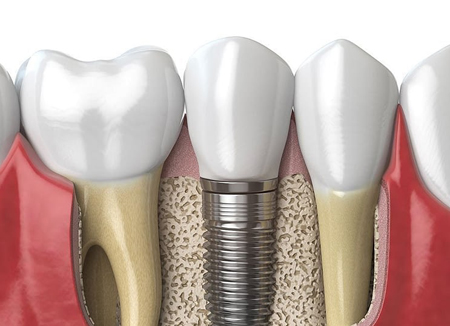
When a dental implant has failed, we recommend getting a second opinion from a skilled implant dentist. Look for a provider with post-graduate training in implantology. The dentist will need a 3D CT scan to help determine the cause of implant failure. Perhaps you need bone grafting to build up your jawbone, allowing it to support a dental implant.
If a dentist forced your temporary crown on the implant, the force may have contributed to dental implant failure. If your dentist continues cooperating, you can request a refund.
Although the cause of burning mouth syndrome is unknown, many incidents relate to dental trauma. When you find a gentle dentist who may use sedation to relax you during your visit, your burning mouth will likely calm down. Otherwise, speak with your new dentist about your concerns.
Rocky Hill, Connecticut, cosmetic dentist Dr. Thaddeus Michalski sponsors this post.
What Can I Do About a Loose Dental Implant?
My dentist placed three implants in January, and now one of them is loose. I am concerned about what went wrong and am losing trust in my dentist. What options might a dentist give me for fixing a loose dental implant? Thank you. Manal from Seattle
Manal,
Thank you for contacting our office. Although Dr. Michalski would need to examine your implant, we can explain factors that affect treatment for a lose implant.
What Can You Do About a Loose Dental Implant?
If your dental implant is loose, you should promptly contact your implant dentist, oral surgeon, or periodontist. Your doctor will examine the implant parts and gum tissue and take a 3-D CT scan of your bone to identify why your implant is loose. Your doctor will recommend treatment based on the cause of the loose implant.
Why Get Prompt Treatment for a Loose Implant?
You should get prompt treatment for a loose dental implant because it is a threat to your oral health. Without treatment, an infection can develop and worsen. If there is any chance of saving the implant, delaying treatment will result in dental implant failure. Implant parts include an artificial root, an abutment (connector), and a dental crown. Although dental implants have a 95 percent success rate, an untreated loose implant will fail.
What Causes a Loose Dental Implant?
Faulty implant parts, gum disease, implant location, failed osseointegration (fusion of the implant and bone), and other factors can contribute to a loose dental implant. But you will need an exam from your doctor to determine the culprit.
- Implant quality, type, or size – Faulty design of the artificial root or abutment or using the wrong implant type or size can weaken and loosen it.
- Implant location – If an implant is not in the optimal place, it can loosen.
- Insufficient torque – If your doctor does not sufficiently secure the implant in your bone, it can loosen.
- Lack of bone volume – Areas of low bone volume will not support an implant.
- Gum disease – Diseased gum tissue destroys bone tissue and leaves implants without support.
- Stress on the implant – Prematurely attaching replacement teeth to implants can loosen them. Also, failure to maintain a soft-food diet can disturb implant sites and cause looseness.
- Failed osseointegration – Implants will be unstable if the jawbone and implant do not fuse.
What Is the Treatment for a Loose Dental Implant?
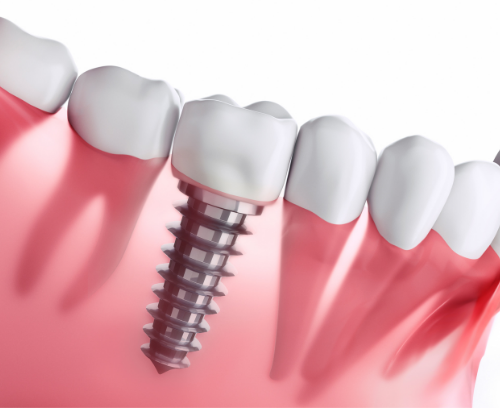 Treatment for a loose dental implant depends on the cause of looseness. Your doctor will examine the implant site and take a 3-D CT scan to examine your bone structure. Your treatment may include:
- Implant removal
- Gum disease treatment
- Bone graft
- Three to four months of healing
- Replacing the implant, possibly in a new position
- Alternative treatment
A skilled implant dentist can restore your oral health and help your dental implants succeed with proper planning.
Dr. Thaddeus Michalski, a Rocky Hill, Connecticut dentist and Diplomate of the International Congress of Oral Implantologist, sponsors this post.